Exploring the Origins of Casino Culture A Historical Journey
The Early Beginnings of Gambling
The origins of gambling can be traced back to ancient civilizations, where the act of wagering on the outcomes of events was intertwined with various cultural practices. In ancient China, around 2300 BC, the earliest forms of gambling involved rudimentary dice games and betting on the results of random occurrences. Similarly, the Romans engaged in a variety of betting activities, including wagering on gladiatorial contests and chariot races. This early inclination towards chance would set the stage for the development of structured gambling and crorebet chicken road casino culture.

The significance of gambling in early societies extended beyond mere entertainment; it often served social functions, bringing communities together during festivals and public events. In ancient Greece, for example, gambling was frequently associated with religious ceremonies, where devotees would place bets on games and contests in honor of the gods. These historical practices laid the groundwork for the acceptance of gambling as a form of social interaction, showcasing its deep-rooted presence in human culture.
As civilizations evolved, so did the complexity of gambling activities. The invention of playing cards in the 9th century in China marked a significant turning point in gambling history, leading to the proliferation of various card games across the globe. By the time these games reached Europe in the 14th century, they had transformed into the foundation for modern casino games, paving the way for the establishment of more formalized gambling venues.
The Rise of Gambling Houses
As gambling became more popular, dedicated establishments began to emerge, with the first recognized gambling house appearing in Venice in the early 1600s. These venues, known as “ridotti,” provided a controlled environment where patrons could engage in games of chance away from public scrutiny. The rise of gambling houses signified a shift from informal betting to organized gaming, reflecting society’s growing appetite for gambling as a legitimate pastime.
In the 18th century, the popularity of gambling houses expanded throughout Europe, culminating in the establishment of the first official casino in Monaco in 1863. This venue attracted the elite and affluent, who saw gambling not only as a means of entertainment but also as a social status symbol. The opulent atmosphere and allure of high-stakes games created an environment that further popularized the casino culture, attracting visitors from all corners of the world.
The emergence of these institutions was not without controversy; various governments attempted to regulate or ban gambling altogether, often fearing its potential to breed corruption and social decay. Despite such opposition, the appeal of gambling houses continued to grow, with innovations in game design and an emphasis on luxurious experiences ensuring their place in society. This era marked the transition towards modern casinos, shaping the landscape of gambling into what we recognize today.
The Global Expansion of Casino Culture
The 20th century heralded a new phase in the global expansion of casino culture, as gambling laws began to evolve and modernize across different regions. The legalization of casinos in Nevada in the 1930s marked a watershed moment for the industry, leading to the establishment of iconic venues such as the Las Vegas Strip. Las Vegas quickly became synonymous with extravagant entertainment, showcasing high-stakes gambling alongside glitzy shows and attractions that drew millions of visitors annually.
As the popularity of casinos surged, other regions began to adopt similar models. In the late 20th century, gaming regulations relaxed in various parts of the world, leading to the emergence of casinos in places like Atlantic City, Macau, and even integrated resorts in Asia. This global expansion not only diversified the gaming options available to players but also introduced different cultural elements into the casino experience, blending local traditions with international gambling practices.
However, the expansion of casino culture was met with challenges, including the rise of online gambling platforms in the early 21st century. These digital alternatives revolutionized how players engaged with games, providing convenience and accessibility. The shift to online gambling has prompted traditional casinos to adapt, leading to a fusion of physical and digital gaming experiences that cater to a broader audience. This evolution highlights the dynamic nature of casino culture and its ability to adapt to changing societal norms and technological advancements.
The Role of Technology in Modern Casinos
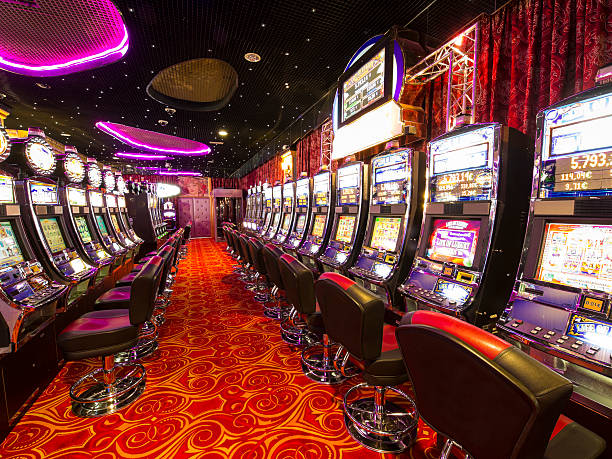
Technology has played a pivotal role in shaping modern casinos, revolutionizing both the gaming experience and operational efficiency. The introduction of electronic gaming machines in the 1960s transformed the casino landscape, providing players with an array of gaming options that were both engaging and easier to access. Today, these machines have evolved into sophisticated video slots that incorporate advanced graphics, sound effects, and interactive features, making them a staple in casinos worldwide.
Moreover, the advent of mobile technology has ushered in a new era of gaming, allowing players to engage with their favorite casino games anytime and anywhere. Mobile applications and live dealer games have made it possible for traditional casino experiences to be replicated online, further enhancing the convenience and appeal of gambling. This technological integration not only attracts a younger demographic but also ensures that casinos remain competitive in an increasingly digital landscape.
Additionally, technology has improved the overall casino experience for patrons. Innovations such as cashless transactions, customer loyalty programs, and data analytics allow casinos to personalize services, offering tailored experiences that enhance player satisfaction. As technology continues to evolve, it is likely that casinos will adopt even more advanced solutions to meet the demands of an ever-changing audience, reinforcing their status as a hub of entertainment and excitement.
The Future of Casino Culture
The future of casino culture appears bright, characterized by an ongoing evolution driven by both innovation and changing consumer preferences. As the global gambling market continues to expand, casinos are likely to diversify their offerings, incorporating more entertainment options beyond traditional gaming. This shift may involve collaborations with various entertainment sectors, creating integrated resorts that combine hotels, dining, shopping, and live performances with gaming.
Moreover, the rise of virtual reality and augmented reality technology holds the potential to revolutionize the casino experience, offering immersive gaming environments that transcend the limitations of physical spaces. These advancements may attract a new generation of players seeking unique and engaging experiences that blend the virtual and real worlds.
Additionally, the ongoing dialogue surrounding responsible gambling and regulation will shape the future of casinos, as operators strive to create safe and enjoyable environments for their patrons. Emphasizing responsible gaming practices will be crucial in fostering long-term sustainability and public trust in the industry. As casinos adapt to these trends and challenges, they will continue to play a vital role in the cultural fabric of entertainment around the world.
Conclusion on Casino Culture
The journey through the origins of casino culture illustrates a rich tapestry woven from historical practices, technological advancements, and evolving societal norms. From ancient betting rituals to the opulent casinos of today, the evolution of gambling reflects humanity’s enduring fascination with chance and risk. As this culture continues to evolve, it holds the promise of new experiences that embrace innovation while respecting the traditions that have shaped it.
In exploring the historical journey of casino culture, we gain a deeper understanding of how gambling has transformed societies and influenced the fabric of social interactions. As we look ahead, it is clear that casinos will remain a dynamic and integral part of the entertainment landscape, continually adapting to meet the desires of modern players while honoring their storied past.